
No products in the cart.
Return To Shop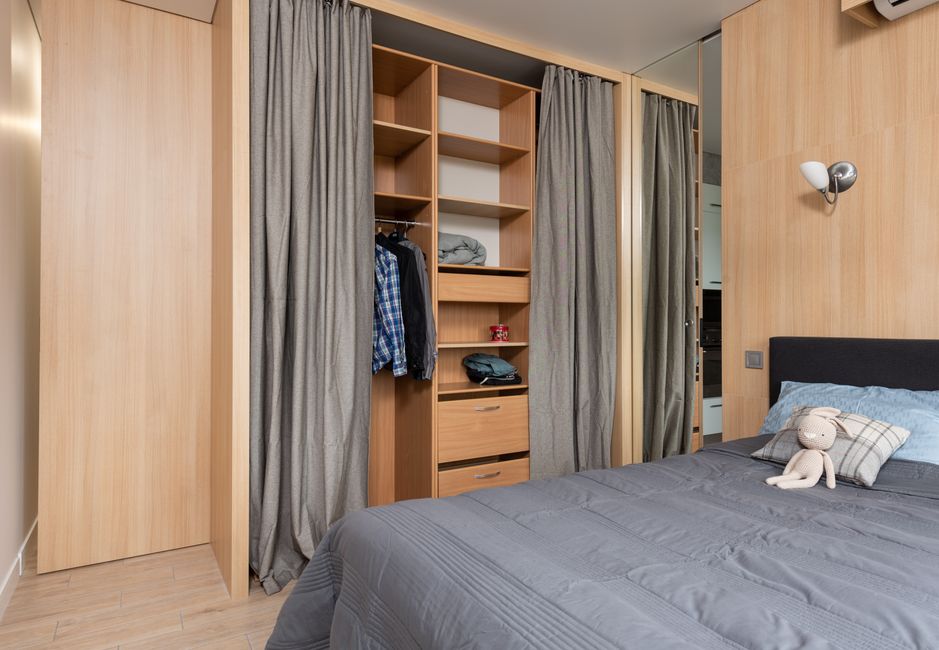
Design Your Own Wardrobe: the Complete Guide to Custom Storage Solutions
Design Your Own Wardrobe: the Complete Guide to Custom Storage Solutions
Creating the perfect wardrobe is more than just selecting a piece of furniture – it’s about designing a storage solution that reflects your lifestyle, maximizes your space, and brings order to your daily routine. Whether you’re dealing with a compact bedroom in Coventry or a spacious master suite, designing your own wardrobe allows you to create a truly personalized storage system that meets your exact needs.
Custom wardrobe design has become increasingly popular as homeowners recognize the limitations of off-the-shelf furniture. When you design your own wardrobe, you’re not just buying storage – you’re investing in a bespoke solution that can transform your bedroom into a more organized, functional, and aesthetically pleasing space.
Understanding Your Space and Storage Needs
Before diving into wardrobe design, it’s essential to conduct a thorough assessment of your space and storage requirements. Start by measuring your room carefully, noting ceiling height, wall dimensions, and any architectural features like radiators, windows, or electrical outlets that might influence your design choices.
Consider your clothing collection and how you prefer to organize it. Do you have an extensive collection of long dresses that require full-height hanging space? Are you a shoe enthusiast who needs dedicated footwear storage? Perhaps you prefer folded items over hanging clothes, or you need specialized storage for accessories and jewelry.
Take inventory of your belongings and categorize them by type, frequency of use, and storage requirements. This exercise will help you determine the optimal internal configuration for your custom wardrobe. Remember to plan for future needs too – your storage requirements may change over time, so incorporating flexible elements into your design is wise.
The location of your wardrobe within the room is equally important. Consider traffic flow, natural light sources, and how the wardrobe will interact with other bedroom furniture. A well-positioned wardrobe can actually enhance the feeling of space in your room when designed thoughtfully.
Choosing the Right Wardrobe Style and Configuration
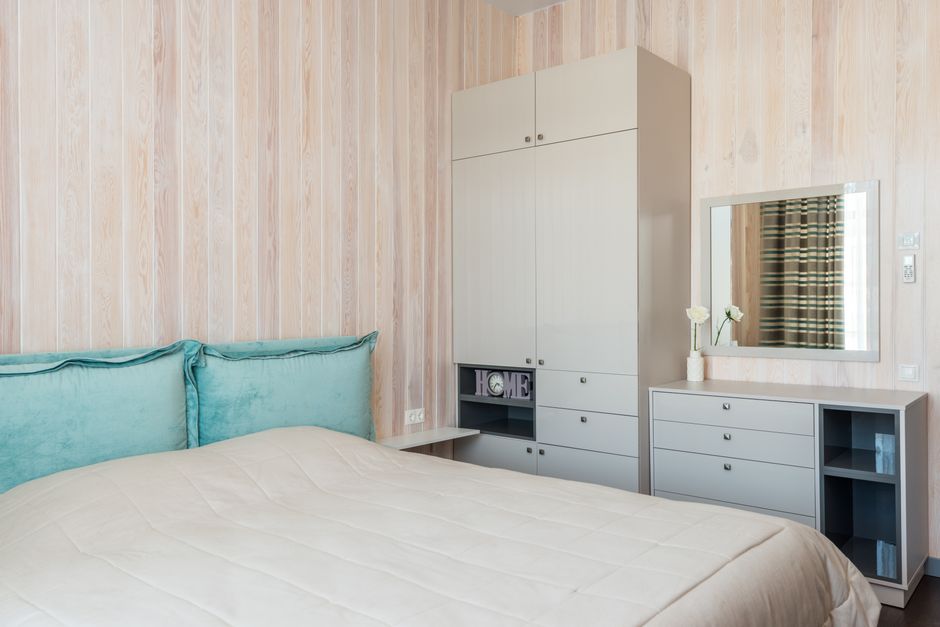
Modern wardrobe design offers numerous configuration options to suit different spaces and preferences. Fitted wardrobes that extend from floor to ceiling maximize storage capacity while creating a seamless, built-in appearance. These designs are particularly effective in rooms with awkward dimensions or sloped ceilings.
Sliding door wardrobes are an excellent choice for rooms where space is at a premium. Unlike hinged doors that require clearance to open, sliding doors move parallel to the wardrobe front, making them ideal for compact bedrooms or wardrobes positioned close to beds or other furniture.
Walk-in wardrobes represent the ultimate in luxury storage, transforming an entire room or large alcove into a dedicated dressing area. While requiring more space, they offer unparalleled storage capacity and the convenience of accessing your entire wardrobe at once.
Corner wardrobes make excellent use of often-underutilized space, while L-shaped configurations can wrap around room features or create distinct zones within larger bedrooms. The key is selecting a configuration that complements your room’s layout while maximizing storage efficiency.
Interior Design Elements
The internal layout of your wardrobe is where functionality truly shines. Adjustable shelving systems provide flexibility for changing needs, while specialized compartments for ties, belts, and jewelry keep accessories organized and easily accessible.
Consider incorporating features like pull-out shoe racks, trouser hangers, and soft-close drawers. LED lighting can transform your wardrobe experience, making it easy to see and select items even in low-light conditions. Motion-sensor lighting adds a touch of luxury while being practical for early morning or late evening use.
Material Selection and Quality Considerations
The materials you choose for your custom wardrobe will significantly impact both its appearance and longevity. Solid wood offers timeless appeal and durability but comes at a premium price point. Engineered wood products like MDF and particle board can provide excellent value while still delivering attractive results when properly finished.
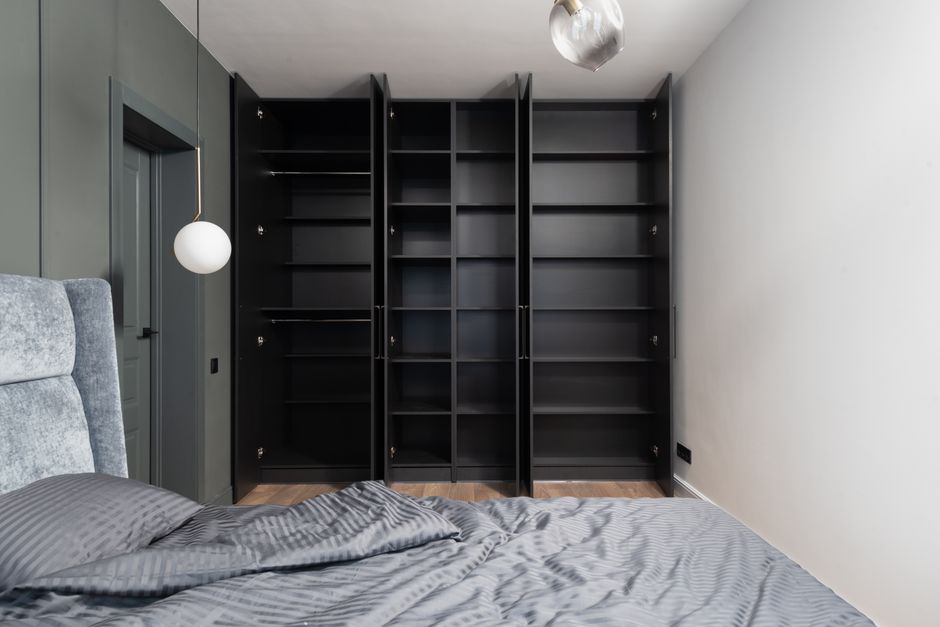
For wardrobe interiors, melamine-faced boards are popular due to their easy-clean surfaces and resistance to moisture – important considerations for storing clothing. The choice of edge banding and finishing techniques can dramatically affect the final appearance and professional quality of your wardrobe.
Hardware selection is equally important. Quality hinges, drawer slides, and hanging systems ensure smooth operation and long-term reliability. Investing in superior hardware may cost more initially but typically proves worthwhile through years of trouble-free use.
Consider the environmental impact of your material choices. Many manufacturers now offer sustainable options, including FSC-certified wood products and low-emission boards that contribute to better indoor air quality.
Door Styles and Finishing Options
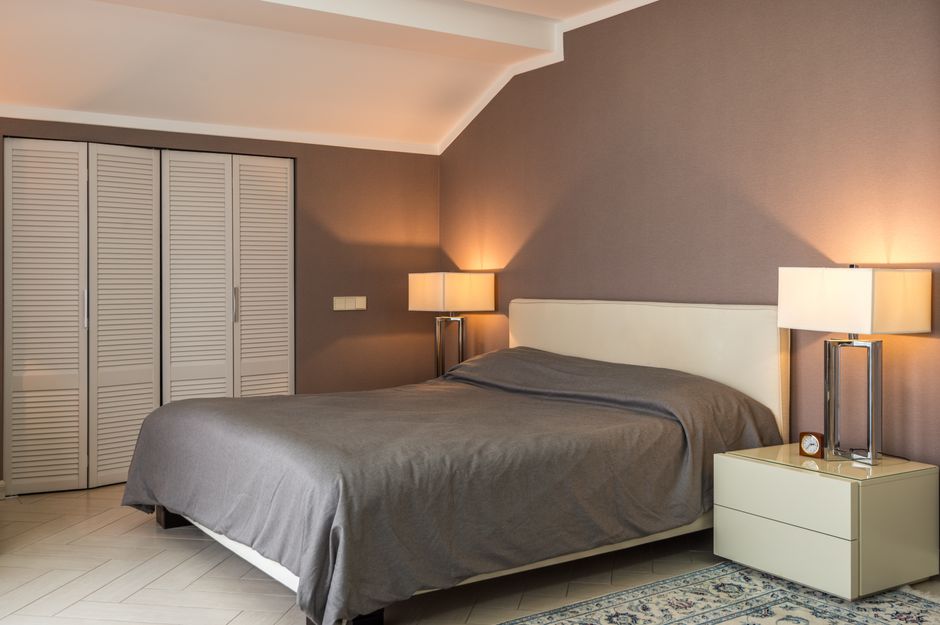
Wardrobe doors significantly influence the overall aesthetic of your bedroom. Traditional hinged doors offer complete access to your wardrobe interior and can accommodate various design styles, from classic paneled designs to sleek contemporary finishes.
Sliding doors provide a modern, space-efficient solution while offering exciting design possibilities. Mirror doors can make rooms appear larger and brighter while providing a full-length mirror for dressing. Frosted glass panels create an elegant, contemporary look while concealing contents. Solid doors in wood finishes or painted colors can complement your existing décor perfectly.
Mixed-material doors combine different elements – perhaps wood frames with glass or mirror inserts – to create unique, personalized designs. The key is ensuring your door choice harmonizes with your room’s overall design scheme while meeting your practical requirements.
Color selection plays a crucial role in how your wardrobe integrates with your bedroom. Neutral tones ensure longevity and broad appeal, while bold colors can create striking focal points. Consider how your chosen finish will age and whether it will remain appealing as trends change.
Technology Integration and Modern Features
Contemporary wardrobe design increasingly incorporates smart technology to enhance functionality and user experience. Integrated charging stations for devices, built-in Bluetooth speakers, and smart lighting systems can transform your wardrobe area into a modern dressing suite.
Automated features like motorized hanging rails that lower clothes to accessible heights or rotating storage systems can improve accessibility and organization. These features are particularly valuable for individuals with mobility challenges or those who want to maximize storage in high wardrobes.
Climate control systems help protect valuable clothing items by maintaining optimal humidity levels. While more common in luxury applications, these systems are becoming increasingly accessible for residential use.
Smart organization systems using apps can help track wardrobe contents, suggest outfit combinations, and even remind you of items that haven’t been worn recently. While still emerging, these technologies represent the future direction of wardrobe design.
Professional Installation and DIY Considerations
While design your own wardrobe is exciting, the installation process requires careful consideration. Professional installation ensures proper fitting, especially important for fitted wardrobes that must integrate seamlessly with room architecture. Experienced installers can handle challenges like uneven walls, electrical work for lighting, and complex mechanisms for sliding doors.
DIY installation is possible for simpler wardrobe systems, particularly modular designs. However, consider your skill level, available tools, and time constraints. Poor installation can compromise both function and appearance, potentially negating the benefits of a well-designed wardrobe.
Factor installation costs into your budget from the beginning. Professional installation typically represents 15-25% of the total wardrobe cost but ensures optimal results and often includes warranties on both the product and installation work.
Maintenance and Long-term Care
A well-designed wardrobe should provide years of reliable service with minimal maintenance. Regular cleaning of interior surfaces prevents dust accumulation and maintains hygiene. Periodic hardware adjustments ensure doors and drawers continue operating smoothly.
Protect your investment by addressing minor issues promptly. Loose handles, sticking doors, or worn drawer slides should be repaired quickly to prevent more significant problems. Many wardrobe manufacturers offer maintenance services and replacement parts for their systems.
Consider seasonal organization routines to maintain wardrobe efficiency. Regular decluttering ensures you’re making the best use of your storage space while keeping contents relevant and accessible.
Designing your own wardrobe represents a significant opportunity to enhance both your bedroom’s functionality and your daily routine. By carefully considering your needs, space constraints, and design preferences, you can create a storage solution that serves you well for years to come. Whether you choose a simple fitted wardrobe or an elaborate walk-in design, the key is ensuring every element serves a purpose while contributing to your overall satisfaction with the space. For other bedroom essentials, don’t forget to buy mattress online UK, and explore options for dressing tables UK to complete your ideal bedroom setup.
About author

Related posts
Custom Built Beds: the Ultimate Guide to Bespoke Bedroom Solutions In the ever-evolving landscape of bedroom design, custom built beds have emerged as the pinnacle... Continue reading
Circular Shoe Storage Solutions for Modern Homes The way we organize our footwear has evolved dramatically in recent years, with circular shoe storage emerging as... Continue reading
Circular Shoe Rack: the Ultimate Space-saving Storage Solution Revolutionary Design Meets Practical Storage The circular shoe rack represents a significant evolution in footwear storage solutions,... Continue reading
Cheap Wardrobes: Affordable Custom Storage Solutions for Your Home When searching for cheap wardrobes, many homeowners assume they must compromise on quality, design, or customization.... Continue reading
Cheap Suppliers of Fitted Bedroom Furniture Finding affordable fitted bedroom furniture that doesn’t compromise on quality can be challenging in today’s market. With rising costs... Continue reading